
What does a waterproofing / anti fracture membrane do?
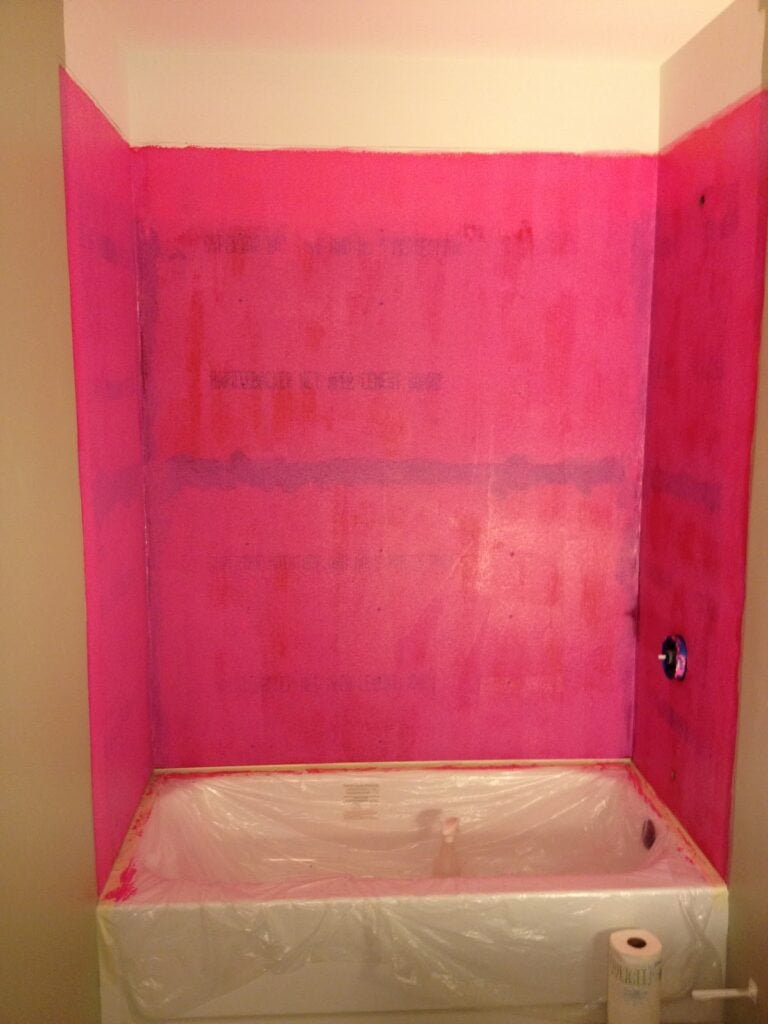
You don’t have to look too deep to find out what a waterproofing / crack isolation membrane does – it’s right in the name- waterproofing and crack isolation! When applied over a proper substrate, the waterproofing aspect of this membrane prevents water from from entering the substrate. Whether that’s an open wall cavity or cement block, wet substrates are something to avoid at all costs. The second thing these membranes do is provide a layer of anti fracture protection over shrinkage and other non structural cracks in the substrate. This is especially important in freeze / thaw climates, but really in any environment where the substrate can experience expansions and contraction due changes in temperature and humidity.
Why should waterproofing / anti fracture membranes be used for certain stacked stone installations?
Waterproofing / anti fracture membranes are important for stacked stone installations for two main reasons – moisture management and freeze / thaw crack isolation protection. From a moisture standpoint, a common misconception is that stacked stone installations allow for very little water to penetrate behind the stone and into the substrate. Unfortunately, that’s simply not true – in fact a stacked stone panel system provides a myriad of gaps between the individual stones where water will find its way behind the stone. There’s no way to prevent that from happening, and its best controlled via adequate substrate preparation including a waterproofing membrane, which will prevent that moisture from getting into the wall cavity. By keeping the wall / wall cavity dry it also prevents any transmission of salts or other mineral solids often found in concrete walls from being pulled out to the surface of the stone, a process called efflorescence.